Standby Generators: Your Reliable Solution for Continuous Electricity
Standby generators serve as a vital safeguard against power interruptions. These systems operate smoothly, switching on in moments following an interruption. Running on diverse fuels, they make certain homes and businesses remain operational in times of crisis. However, understanding their benefits and features is crucial to reaching an informed decision. What aspects should one consider before acquiring such a system? The following sections will explore these vital considerations.
How Standby Generators Work: The Functionality
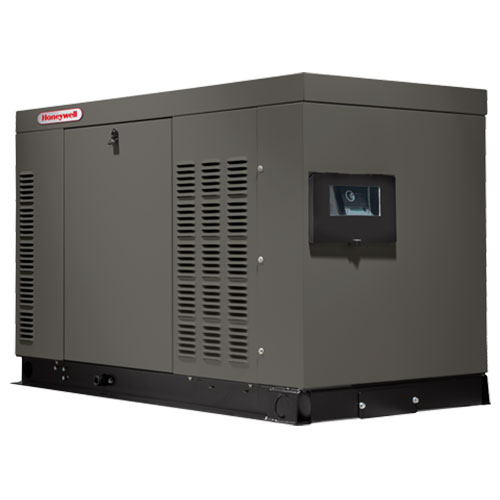
Backup generators are critical units which deliver instantaneous reserve energy when the grid fails. These units are usually placed outside a home or building, wired into the power grid and running on gas, propane, or diesel. When a power interruption occurs, a standby generator detects the loss of electricity and activates within seconds. This process involves a specialized transfer switch, that isolates the property from utility power and links it to the backup unit
(Portland Standby Generators)The system starts creating electricity, providing energy to critical systems or the complete structure, relative to its output. Typically, these generators have a built-in monitoring system which ensures correct operation and servicing. The generators function for prolonged times, offering a constant energy supply until the public power returns. Understanding the mechanics behind standby generators helps homeowners appreciate their role in enhancing energy security and lessening outages during unexpected outages
Benefits of Installing a Standby Generator
Trustworthiness is a key feature of installing a standby generator, because it provides constant power during blackouts. This vital function guarantees continuous operation for properties, securing critical items and upholding livability. In addition, backup systems boost security by mitigating grid failures that may result in risky circumstances, such as frozen pipes or medical equipment failures.
Affordability is a key positive aspect; while the upfront cost may be substantial, the savings over time from preventing food waste, disrupted workflow, and unexpected fixes can be substantial. Moreover, backup power systems increase property value, positioning them as an desirable characteristic for future homeowners.
The ease of use is also get going important, as these generators automatically activate during an outage, doing away with the requirement for human involvement. This uninterrupted functionality enables homeowners to maintain their daily routines without disruption. Overall, installing a standby generator provides security, ensuring that power is readily accessible when it matters most.
Important Attributes to Consider in a Standby Generator
When choosing a standby generator, several key features need to be taken into account to achieve the best results and appropriateness for individual requirements. To begin with, the wattage capacity is crucial; prospective owners must calculate the necessary power to support essential appliances during an outage. Additionally, the power source—whether NG, LP, or diesel—influences operation and operational costs.
A further critical component is the automatic transfer mechanism, which facilitates seamless power changeover and enhances safety. The robustness and construction quality are also important; a well-built system can cope with extreme weather.
In addition, how loud it is needs evaluation, as less noisy generators are ideal for home environments. A few units provide automatic start capabilities, adding comfort during unforeseen blackouts. Finally, guarantee and maintenance plans should be reviewed, offering trustworthy maintenance and maintenance. By evaluating these features, prospective buyers can select a standby generator that meets their unique power needs successfully.
Factors to Consider Before Purchase
Before deciding on a standby generator, prospective owners should carefully evaluate a few vital considerations to confirm they arrive at an informed decision. Portland Standby Generators. Initially, they must assess their power needs by calculating the wattage required to operate critical systems during an outage. Following this, the fuel type is vital; available types are natural gas, propane, or diesel, each with unique advantages and access factors
Moreover, customers need to examine the generator's power switch mechanism, which facilitates seamless power transfer. Installation details must also be considered, because specific units might require professional installation or the securing of permits
The warranty and support options must be carefully reviewed, since they significantly affect how satisfied you are in the long run. Lastly, potential buyers should evaluate the generator's noise levels, above all if they are located in populated neighborhoods. When reviewing these aspects, consumers can select a standby generator that perfectly suits their specific needs and preferences
Standby Generator Maintenance Guide
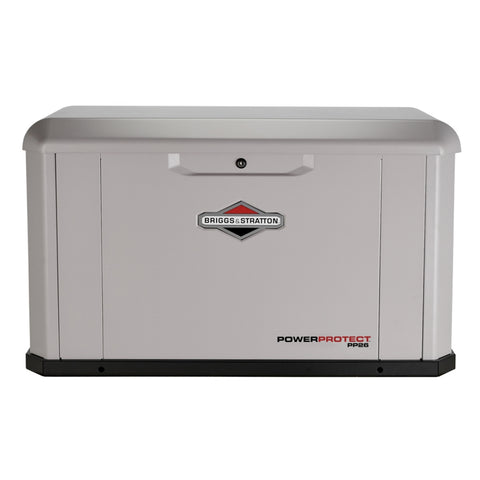
Routine servicing is crucial to ensure optimal functioning and longevity of a standby generator. Begin by checking the oil level in the unit, and swap out the oil and filter according to the manufacturer's recommendations. Regularly check the air filter and replace it as necessary to maintain the best airflow. It's also important to test the battery cleaning corrosion from the terminals to keep the starting power consistent.
Run load tests from time to time to verify the generator manages its maximum load. Additionally, verify that no obstructions or leaks exist in the exhaust system. Maintaining a clean, debris-free generator helps avoid overheating and problems.
Finally, book professional upkeep annually at a minimum to address any potential problems and carry out detailed inspections. By using these maintenance practices can maximize the longevity of a standby generator, providing peace of mind when the power goes out.
Common Questions
What is the Average Cost of Standby Generators?
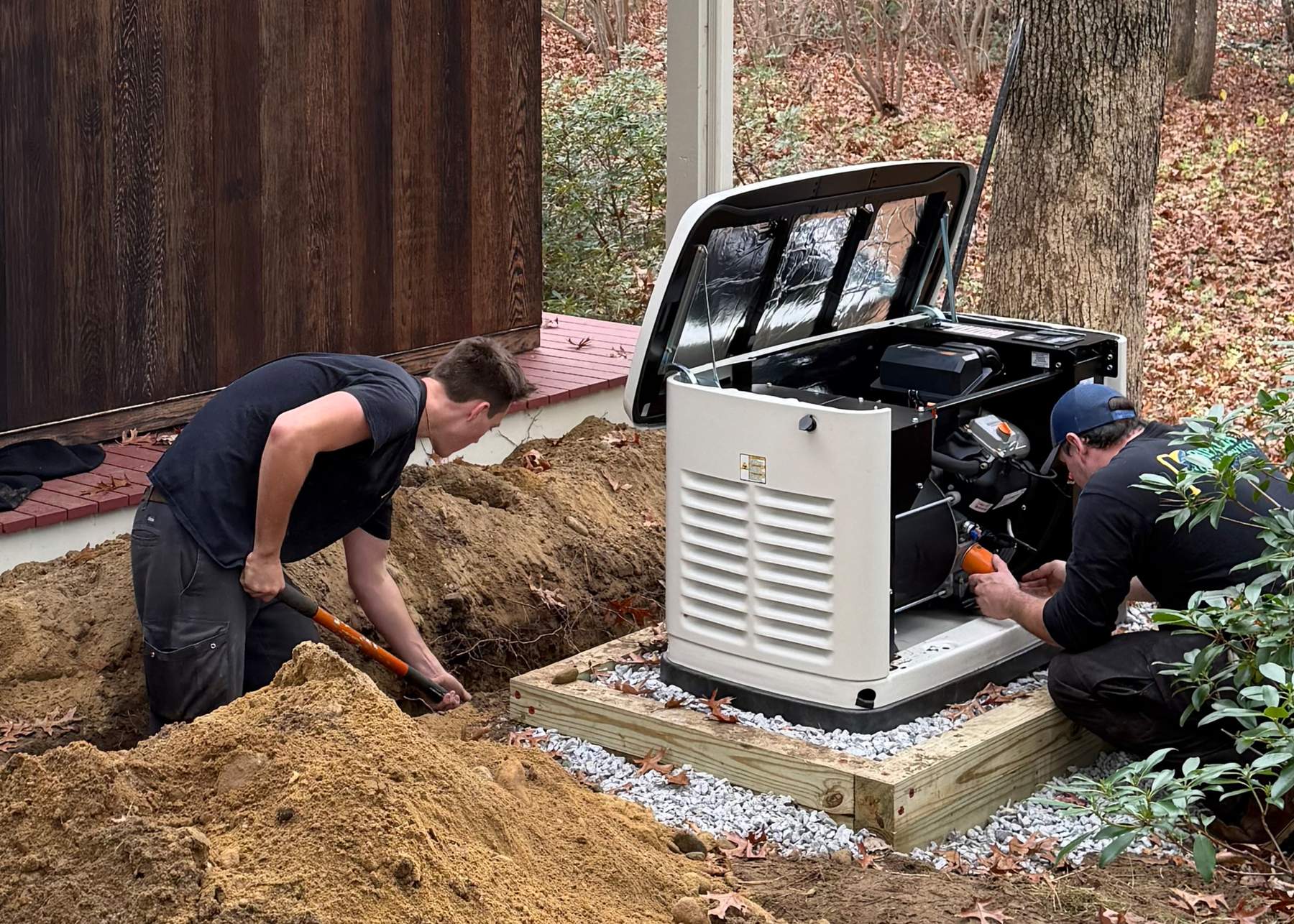
Standby generators typically cost between $2,000 and $15,000, influenced by factors including power output, brand, and installation complexity. Extra costs often involve fuel tanks, permits, and ongoing maintenance, affecting the total investment needed.
Can I Install a Standby Generator Myself?
Installing a standby generator oneself is possible, but it requires knowledge regarding local codes and electrical wiring. It is highly recommended employing a specialist to ensure security, adherence to regulations, and optimal functioning of the generator installation.
What Energy Sources Do Standby Generators Use?
Standby generators typically use fuels such as gasoline, propane, natural gas, or diesel. Portland Standby Generators. The choice of fuel often depends on the cost, availability, and particular power requirements, affecting the operation and efficiency of the generator
Do I Need Permits for Installation?
Permits are frequently necessary for the installation of standby generators. The specific codes change based on the locale, so it is crucial for contractors or homeowners to speak to the municipal government to verify conformance with all relevant codes and requirements.
What is the Maximum Continuous Runtime Continuously?
A standby generator can run continuously for varying durations, usually between 24 and 48 hours, based on the load demands and fuel availability. Regular maintenance guarantees optimal functioning and extended lifespan during prolonged periods of use.